Comprehensive Guide to Essential Nutrients and Vitamins for Male Health

Educational content only. No promises of outcomes.

Understanding Male Nutritional Needs

Men's nutritional requirements can be distinct from other populations due to general physiological differences. This comprehensive guide explores the fundamental nutrients, vitamins, and minerals essential for supporting overall health and bodily functions. Whether you're interested in learning about macronutrients, essential vitamins, minerals, or dietary patterns, this resource provides detailed, evidence-based information to help you understand the role of nutrition in daily wellness.

The information presented here is educational in nature and aimed at explaining concepts, not providing medical advice or individual recommendations.

Key Macronutrients for Energy and Function

Macronutrients form the foundation of daily energy and bodily function. Proteins serve as building blocks for muscles, enzymes, and various tissues. Carbohydrates provide readily available energy for physical activity and brain function. Fats support hormone production, nutrient absorption, and cellular health.

Healthy sources of proteins include eggs, fish, poultry, legumes, nuts, and dairy products. Complex carbohydrates like whole grains, oats, and vegetables provide sustained energy. Healthy fats come from sources such as avocados, olive oil, nuts, and fatty fish rich in omega-3 fatty acids.

Understanding how these macronutrients work together supports informed dietary choices and overall wellness.

Variety of protein, carbohydrate and fat food sources

Essential Vitamins: Their Roles and Sources

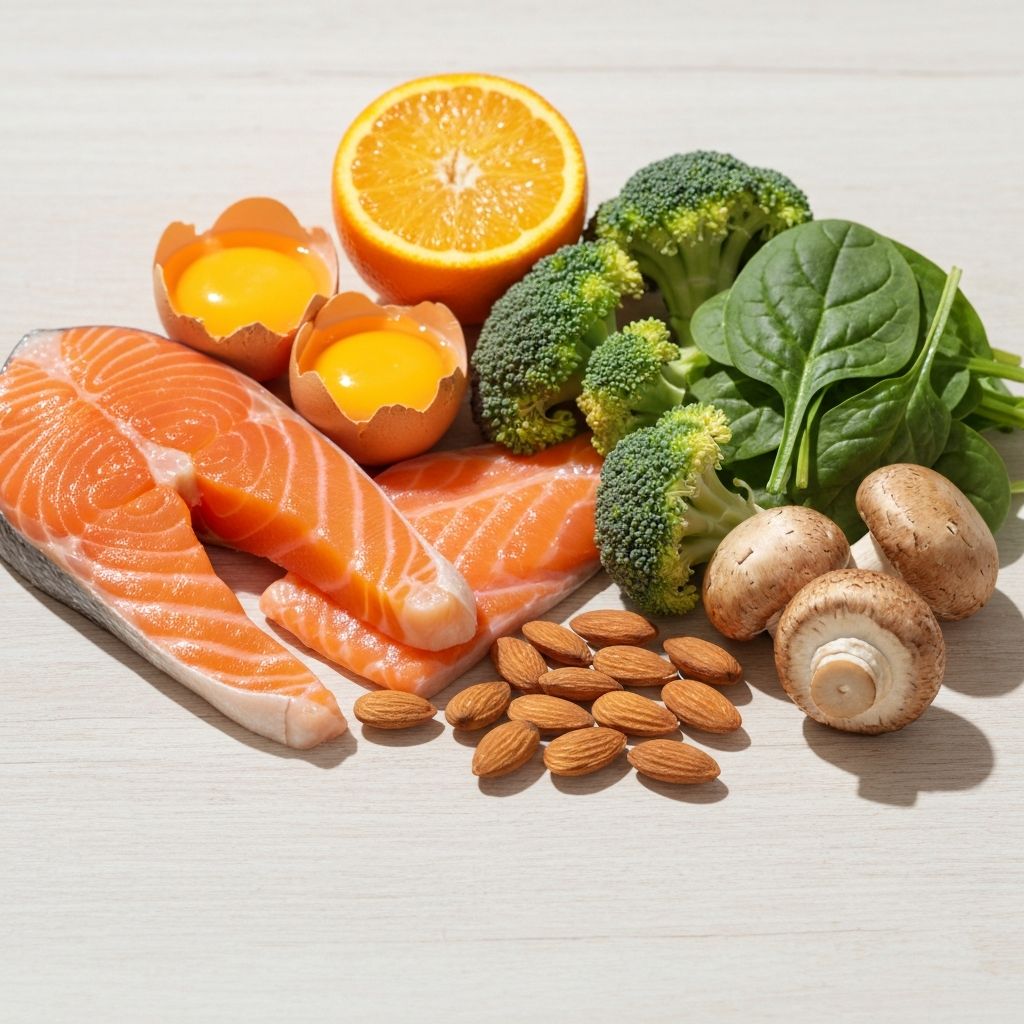
Food sources rich in essential vitamins

Vitamin D

Vitamin D plays a crucial role in calcium absorption, bone health, immune function, and general cellular regulation. Natural sources include fatty fish like salmon and mackerel, egg yolks, and mushrooms exposed to sunlight. Sunlight exposure also triggers vitamin D synthesis in the skin.

B-Complex Vitamins

B vitamins support energy metabolism, nervous system function, and red blood cell formation. These include B1 (thiamine), B2 (riboflavin), B3 (niacin), B6 (pyridoxine), B12 (cobalamin), and folate. Rich sources include whole grains, meats, legumes, leafy greens, and fortified cereals. B12 is primarily found in animal products, making it especially important for those consuming animal proteins.

Other essential vitamins like vitamin C (found in citrus, berries, and peppers) and vitamin E (from nuts, seeds, and oils) contribute to immune function and cellular protection.

Minerals for Well-being: A Closer Look

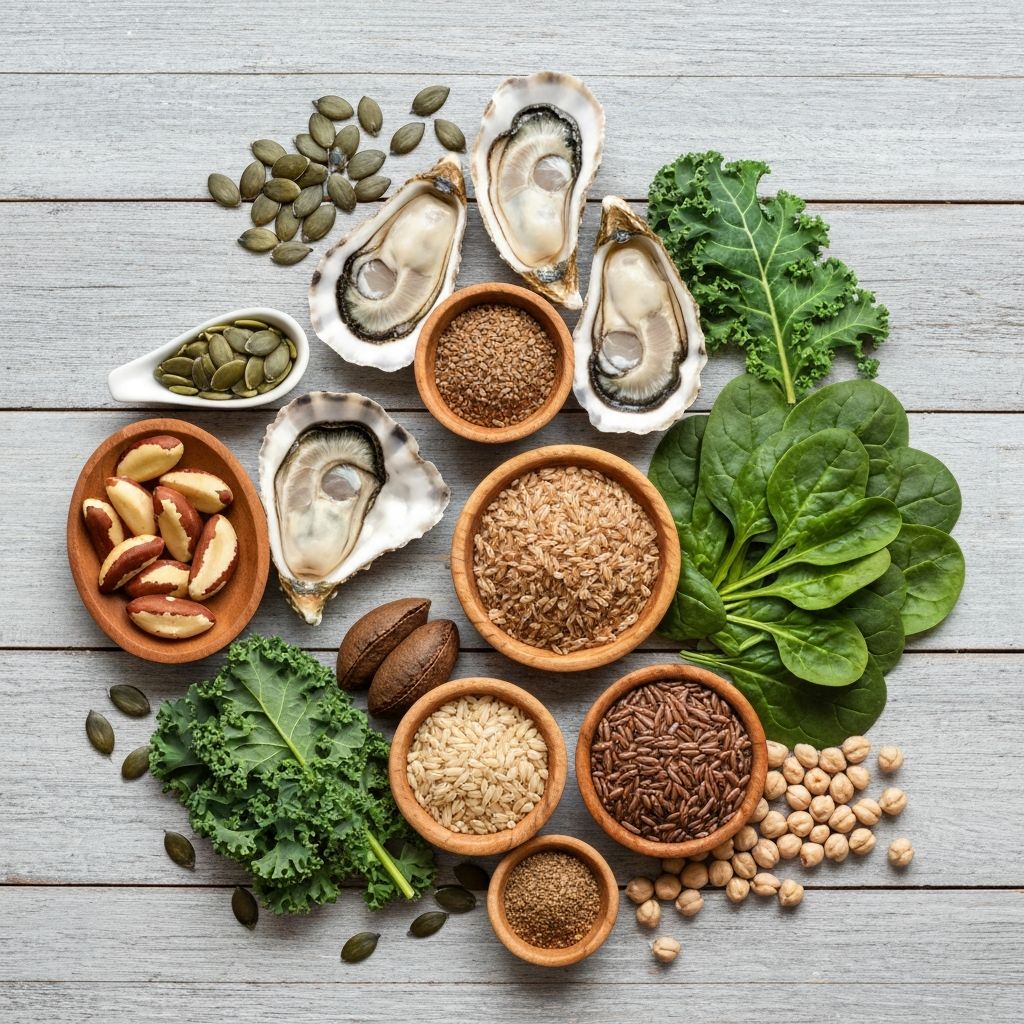
Natural food sources of essential minerals

Zinc

Zinc is vital for immune function, protein synthesis, and wound healing. It supports normal growth and development. Good dietary sources include oysters, beef, pumpkin seeds, chickpeas, and nuts. Zinc is more readily absorbed from animal-based sources than plant-based ones.

Magnesium

Magnesium supports muscle function, energy production, protein synthesis, and nervous system regulation. Common sources include dark leafy greens like spinach, pumpkin seeds, almonds, cashews, whole grains, and legumes. Magnesium is essential for proper muscular and nervous system performance.

Selenium

Selenium acts as an antioxidant and supports thyroid function and immune response. Brazil nuts are exceptionally rich in selenium—just a few per day can meet daily needs. Other sources include fish, poultry, eggs, and whole grains. Selenium helps protect cells from oxidative damage.

Additional important minerals include iron for oxygen transport and energy metabolism, calcium for bone health, and potassium for cardiovascular and muscle function.

Antioxidants and Phytochemicals: Natural Protectors

Plant-based compounds called antioxidants and phytochemicals support cellular health by helping to manage oxidative stress. These compounds are found abundantly in colorful plant foods.

Flavonoids in berries, catechins in tea, lycopene in tomatoes, and sulforaphane in broccoli are examples of phytochemicals that contribute to plant nutritional value. Including a variety of colorful fruits and vegetables—berries, leafy greens, bell peppers, tomatoes, broccoli—provides a diverse array of these beneficial compounds.

These plant compounds are best obtained through whole foods rather than supplements, as whole foods provide them in complex combinations alongside fiber and other nutrients.

Antioxidant-rich colorful fruits and vegetables

The Importance of a Balanced Diet

A balanced diet combines various food groups in proportions that support optimal nutrient intake. The concept of a balanced plate—typically illustrated as portions of vegetables, proteins, grains, and a small amount of healthy fats—provides a practical framework for everyday eating.

Components of a Balanced Plate

Vegetables and Fruits: At least half of each meal, providing vitamins, minerals, fiber, and phytochemicals.

Whole Grains: A quarter of the plate, offering complex carbohydrates and fiber for sustained energy.

Proteins: A quarter of the plate, from diverse sources including plant and animal-based options.

Healthy Fats: A small drizzle or side serving, from sources like olive oil, nuts, or avocado.

This framework emphasizes dietary diversity—consuming a wide variety of foods ensures exposure to a full spectrum of nutrients. No single food provides all necessary nutrients; balance and variety are key principles of sound nutrition.

Hydration: More Than Just Water

Water is fundamental to all bodily functions: temperature regulation, nutrient transport, waste elimination, joint lubrication, and cognitive function. Individual water needs vary based on activity level, climate, and metabolism, but a common guideline suggests drinking enough fluids to maintain light-colored urine.

Beyond plain water, other beverages contribute to hydration: herbal teas, plain milk, and water-rich foods like fruits and vegetables. Limiting sugary drinks and excessive caffeine supports more consistent hydration.

Adequate hydration is particularly important during and after physical activity, in hot climates, and for overall cellular health.

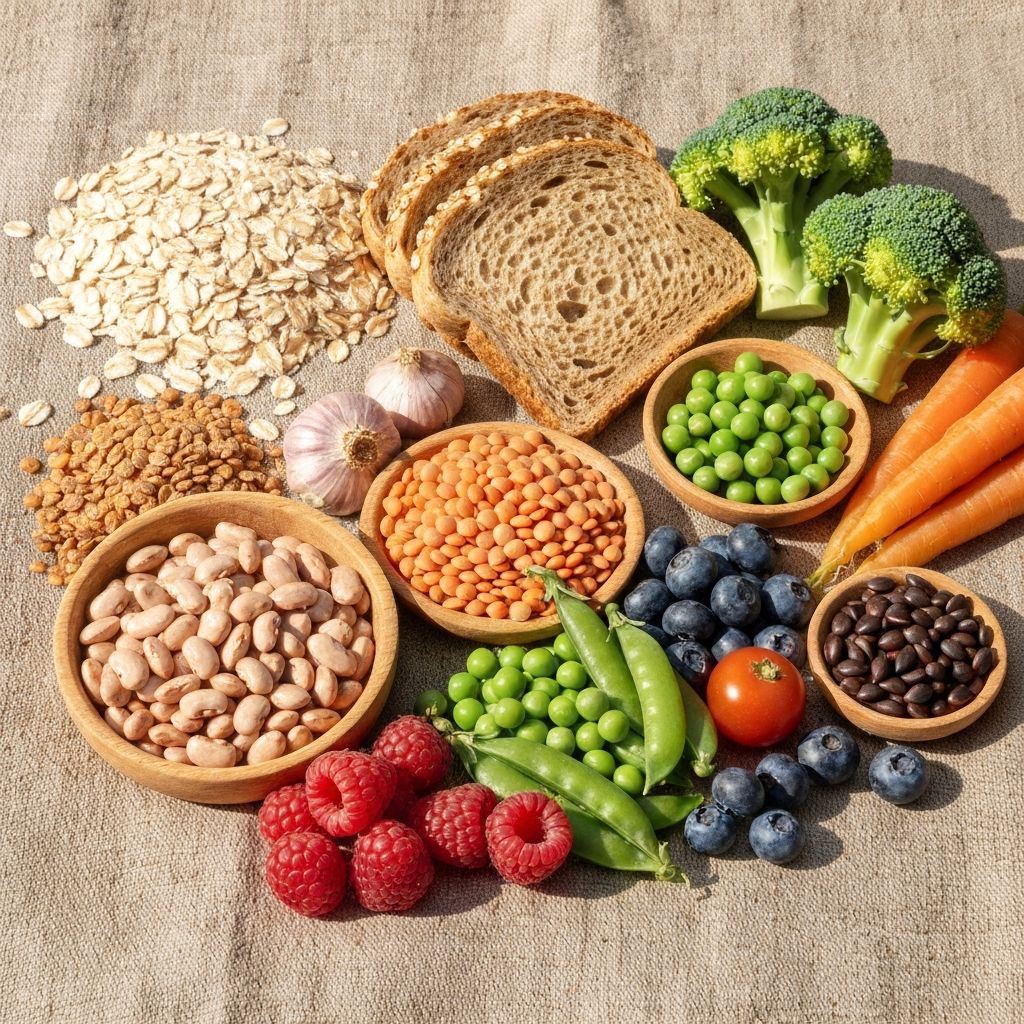
High-fiber whole grain and legume food sources

Dietary Fiber: Digestive Health and Beyond

Dietary fiber, found only in plant-based foods, supports digestive health, stable blood sugar, heart health, and healthy weight management. Soluble fiber (found in oats, beans, apples) dissolves in water and supports beneficial gut bacteria. Insoluble fiber (in whole wheat, vegetables) promotes regular digestive movement.

Common fiber sources include whole grains, legumes (beans, lentils), fruits, vegetables, nuts, and seeds. Gradually increasing fiber intake while drinking adequate water prevents digestive discomfort. Most people benefit from aiming for 25-35 grams of fiber daily from food sources.

Fiber plays a role in maintaining healthy cholesterol levels, supporting stable energy, and promoting feelings of fullness, making it valuable for long-term dietary sustainability.

Understanding Nutrient Absorption

Consuming nutrients is only part of the equation; the body must also effectively absorb and utilize them. Nutrient absorption occurs primarily in the small intestine and depends on various factors.

Food Form Matters

The form in which nutrients are consumed affects absorption. For example, lycopene in cooked tomatoes is more bioavailable than in raw tomatoes. Healthy fats enhance the absorption of fat-soluble vitamins A, D, E, and K.

Digestive Health

A healthy digestive system is essential for nutrient extraction. Adequate stomach acid, healthy gut bacteria, and proper intestinal function all contribute to efficient nutrient absorption and utilization.

Nutrient Interactions

Some nutrients enhance each other's absorption (vitamin C with iron), while others may compete (calcium with magnesium). Eating diverse, whole foods naturally provides balanced nutrient ratios.

Nutrient Density vs. Calorie Density

Not all calories are equal when it comes to nutritional value. Nutrient-dense foods provide significant vitamins, minerals, and other beneficial compounds relative to their calorie content. Calorie-dense foods are high in calories but may provide limited nutritional value.

Examples of Nutrient-Dense Foods

Leafy greens, fatty fish, eggs, legumes, nuts, seeds, whole grains, berries, and colorful vegetables offer substantial nutrition relative to calories consumed.

Examples of Calorie-Dense But Nutrient-Poor Options

Ultra-processed foods with added sugars and unhealthy fats provide calories with minimal vitamins, minerals, or fiber. They may also lack satiety value, potentially leading to overconsumption.

Prioritizing nutrient-dense foods supports both overall health and sustainable weight management through better satiety and more complete nutritional support.

The Role of Lifestyle in Nutrition

Nutrition doesn't exist in isolation. Exercise, sleep, stress management, and overall lifestyle significantly impact nutrient needs and how effectively the body utilizes nutrients.

Physical Activity: Regular exercise increases needs for certain nutrients like iron and B vitamins for energy metabolism. Strength training increases protein requirements for muscle recovery and adaptation.

Sleep: Quality sleep supports metabolic regulation, hormone balance, and efficient nutrient utilization. Sleep deprivation can increase caloric cravings and impair dietary choices.

Stress Management: Chronic stress increases nutrient demands and can impair digestion and nutrient absorption. Relaxation practices support overall metabolic health.

A holistic approach recognizing the interplay between nutrition, movement, rest, and stress management yields the most comprehensive support for health and wellness.

Man enjoying hiking and outdoor physical activity

Navigating Dietary Information

With abundant—and sometimes conflicting—nutritional information available, developing critical evaluation skills is valuable. Not all sources are equally reliable.

Evaluate the Source

Look for information from established health organizations, peer-reviewed scientific journals, universities, and qualified nutrition professionals. Consider potential conflicts of interest in commercial sources.

Look for Evidence

Sound nutritional information references scientific research and acknowledges limitations and uncertainties. Be cautious of claims that sound too good to be true or promise dramatic results.

Recognize Individual Variation

Nutritional needs vary significantly between individuals based on age, activity level, health status, genetics, and lifestyle. General guidelines provide frameworks, but individual circumstances matter.

Abstract representation of balanced nutrition concepts

Common Nutritional Misconceptions

All Fat is Bad: Healthy fats from fish, nuts, seeds, and oils are essential for hormone production, nutrient absorption, and cellular health.

Carbohydrates Should Be Avoided: Complex carbohydrates from whole grains, legumes, and vegetables provide energy, fiber, and essential nutrients.

Protein Only Comes from Meat: Legumes, nuts, seeds, dairy, eggs, and whole grains all provide substantial protein and offer diverse nutrients.

Supplements Can Replace Food: Whole foods provide nutrients in complex combinations with fiber and other beneficial compounds that isolated supplements cannot replicate.

One Diet Works for Everyone: Individual needs vary significantly. What works for one person may not be optimal for another based on genetics, activity, and circumstances.

Evidence-based understanding of nutrition helps sort through common myths and supports informed personal choices.

Further Resources for Nutritional Exploration

For those interested in deeper learning about nutrition science and evidence-based dietary information, numerous reliable resources are available:

  • Peer-reviewed journals in nutrition science and medicine
  • Government health agencies (CDC, WHO, national health departments)
  • University nutrition and dietetics programs
  • Professional organizations of registered dietitian nutritionists
  • Established medical institutions and research centers
  • Evidence-based nutrition textbooks and educational materials

These sources typically employ rigorous methodologies and peer review to ensure accuracy and reliability of nutritional information.

Educational materials and learning resources

Limitations and Context

This website provides educational information about nutrients, vitamins, minerals, and general nutritional concepts. The content is informational in nature and does not constitute personalized medical advice, diagnosis, or treatment recommendations.

Individual nutritional needs vary based on age, sex, activity level, health status, medications, and other factors. Dietary choices should be made based on personal circumstances and, when appropriate, in consultation with qualified healthcare professionals.

This resource does not offer individual recommendations, nor does it replace professional medical judgment or personalized dietary guidance from qualified healthcare providers or registered dietitians.

Discover More About Male Wellness

Explore our dedicated section for nutritional information tailored to common wellness topics for men, including discussion of nutrients frequently associated with male health support.

Explore Men's Nutrition Guide