Male Wellness Nutrition Guide

Educational content on nutrients and dietary elements for men's wellbeing.

Introduction to Male Nutritional Wellness

While foundational nutrition principles apply to all adults, certain nutrient considerations are frequently discussed in relation to men's general health and wellbeing. This section expands on key nutritional concepts presented in our main guide, with specific focus on nutrients commonly emphasized in discussions of male health.

The information provided is educational and explains the roles of various nutrients in supporting normal bodily functions. This content does not provide medical advice, individual recommendations, or treatment claims.


Zinc: Supporting Immune and Metabolic Function

Zinc is a mineral frequently discussed in relation to male health, where it plays important roles in immune function, protein synthesis, and general cellular processes. This mineral supports the normal functioning of immune cells and helps maintain skin, hair, and tissue health.

Dietary sources rich in zinc include oysters (exceptionally high in zinc), beef, pork, poultry, legumes, pumpkin seeds, cashews, and fortified cereals. Animal sources typically provide more bioavailable zinc than plant sources, though combining plant-based zinc foods with vitamin C can enhance absorption.

The recommended dietary allowance for adult men is 11 mg daily. Achieving this through varied food sources supports optimal immune function and general wellness.

Man preparing nutritious meals with fresh ingredients
Group of men enjoying outdoor activities and wellness

Magnesium: Energy and Muscle Function

Magnesium is essential for energy production, muscle function, and nervous system regulation. This mineral participates in over 300 enzymatic reactions in the body and supports normal muscle contraction and relaxation, important for those engaged in physical activity.

Rich dietary sources include dark leafy greens (spinach, kale), pumpkin seeds, almonds, cashews, black beans, avocados, and whole grains. Many men's diets may be relatively low in magnesium, making intentional inclusion of these foods valuable.

The recommended dietary allowance for adult men is 400-420 mg daily. Adequate magnesium supports normal energy metabolism and is particularly relevant for those maintaining regular physical activity or exercise routines.

B Vitamins: Energy Metabolism and Nervous System Health

Vitamin B1 (Thiamine) & B3 (Niacin)

These B vitamins are crucial for converting food into cellular energy, supporting carbohydrate metabolism, and maintaining nervous system health. Sources include whole grains, pork, poultry, legumes, and fortified cereals. Regular consumption supports sustained energy for daily activities and physical exercise.

Vitamin B6 & B12

B6 supports protein metabolism and immune function, found in chickpeas, bananas, salmon, and potatoes. B12, critical for nervous system health and red blood cell formation, is primarily available in animal products: meat, fish, poultry, eggs, and dairy. Those consuming limited animal products should ensure adequate B12 through fortified foods.

Folate (B9)

Folate supports cell division and DNA synthesis. Sources include leafy greens, legumes, asparagus, and fortified grains. Adequate folate is important for general cellular health and supports normal growth and development throughout adulthood.

B vitamins work synergistically to support energy production and metabolic function, particularly important for men maintaining active lifestyles.

Vitamin D: Bone and Immune Health

Vitamin D supports calcium absorption for bone strength, immune function, and general cellular health. While vitamin D is sometimes discussed in conjunction with male health, its importance extends to all adults for skeletal and immune system support.

Sources of Vitamin D

Sunlight Exposure: Regular outdoor time, especially midday in spring and summer, allows skin to synthesize vitamin D. Those with limited sun exposure may have lower vitamin D levels.

Food Sources: Fatty fish (salmon, mackerel, sardines), egg yolks, mushrooms exposed to sunlight, and fortified dairy products and plant-based alternatives provide dietary vitamin D.

Geographic and Seasonal Factors: Individuals at northern latitudes or during winter months may produce less vitamin D from sunlight and benefit from dietary sources or supplementation.

The recommended dietary allowance for adult men is 600-800 IU daily, though some individuals may benefit from higher intakes based on sun exposure and dietary patterns. Regular moderate physical activity, often combined with outdoor time, naturally supports vitamin D status.

Iron: Supporting Oxygen Transport and Energy

While iron is often discussed in relation to women's health due to menstrual losses, adult men also require adequate iron for oxygen transport, energy metabolism, and immune function. Men require 8 mg of iron daily.

Heme Iron (Animal Sources)

Heme iron from meat, poultry, and fish is highly bioavailable and efficiently absorbed. Red meats, organ meats, and shellfish provide concentrated iron sources. These foods should be included regularly in balanced diets.

Non-Heme Iron (Plant Sources)

Legumes, fortified cereals, dark leafy greens, and seeds provide non-heme iron. Pairing these with vitamin C sources (citrus, berries, tomatoes) enhances absorption. Absorption of plant-based iron is lower than heme iron.

Absorption Factors

Coffee and tea can inhibit iron absorption, while vitamin C enhances it. Consuming iron-rich foods with meals containing vitamin C optimizes absorption. This is especially important for those relying on plant-based iron sources.

Protein: Building and Maintaining Muscle

Protein is essential for muscle maintenance, synthesis, and repair, making it particularly relevant for men engaged in strength training or regular physical activity. Adult men require approximately 0.8 grams of protein per kilogram of body weight daily, with higher needs for those training intensively.

Diverse protein sources include lean meats, fish, poultry, eggs, dairy products, legumes, nuts, seeds, and whole grains. Each source provides different micronutrient profiles: fish provides omega-3 fatty acids, legumes provide fiber, eggs provide choline, and so on.

Distributing protein intake throughout the day in multiple meals supports muscle protein synthesis more effectively than consuming it all at once. This principle applies whether following omnivorous, vegetarian, or vegan dietary patterns.

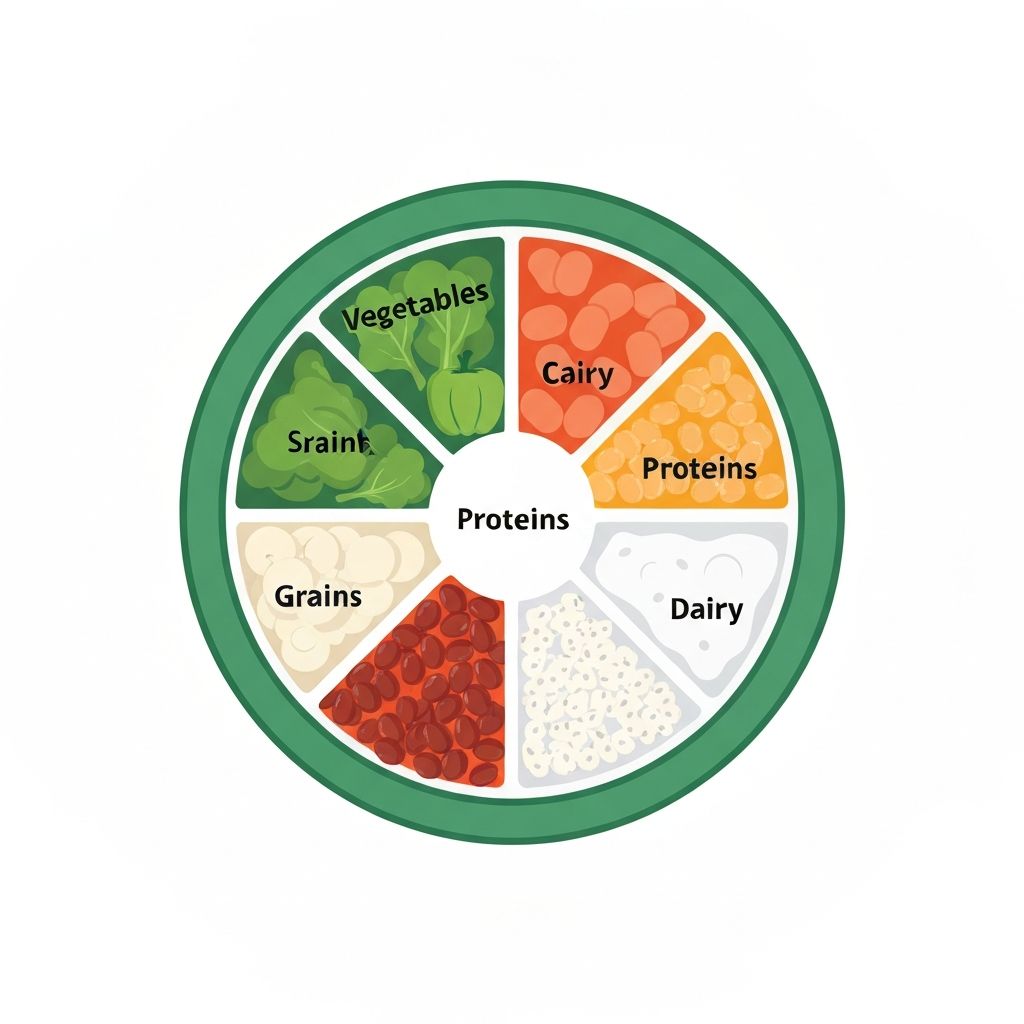
Visual representation of a balanced nutritious plate

Antioxidants and Cardiovascular Health

Antioxidant-rich plant foods support cardiovascular health and general cellular protection. Plant compounds like flavonoids in berries, catechins in tea, and various compounds in leafy greens help manage oxidative stress in the body.

Regular consumption of colorful fruits and vegetables—berries, leafy greens, tomatoes, peppers, broccoli—provides abundant antioxidants and supports heart and vascular health. These foods also provide fiber, supporting healthy cholesterol levels and cardiovascular function.

A diet rich in plant-based antioxidants, combined with adequate physical activity, supports cardiovascular wellness throughout adulthood.

Hydration and Physical Performance

Adequate hydration is essential for physical performance, cognitive function, and overall health. Men engaged in regular exercise or sports should pay particular attention to hydration needs, especially during and after activity.

Hydration Principles

Daily Baseline: General hydration needs are individual, but light-colored urine typically indicates adequate hydration.

During Exercise: Drinking water before, during, and after physical activity maintains performance and supports temperature regulation.

Post-Activity Recovery: Rehydrating after exercise supports muscle recovery and prepares the body for subsequent training sessions.

Water is the primary hydration source, though other beverages contribute. Limiting sugary drinks and excessive caffeine supports more consistent, natural hydration patterns.

Important Context and Limitations

This section provides educational information about nutrients frequently discussed in relation to male health. All information is educational and does not constitute medical advice, diagnosis, or treatment recommendations.

Individual nutritional needs vary significantly based on age, activity level, metabolism, health status, and personal circumstances. Dietary choices should be based on individual needs and, when appropriate, informed by consultation with qualified healthcare providers or registered dietitian nutritionists.

Nothing on this page should be interpreted as treating, curing, or preventing any disease or medical condition.